09:30 - 09:35
Opening remarks

Plenary Session
09:35 - 10:45
09:35 - 10:25
Fireside chat: Holding the Line - Leading in a Hostile Media Environment
Plenary

Some causes are increasingly politicised, misrepresented or deliberately targeted. In a fast-moving and often polarised media landscape, charities can find themselves defending their legitimacy as much as delivering their mission.
This opening panel brings together sector leaders who have navigated public scrutiny, misinformation or organised backlash. How do you hold firm to your organisation’s purpose without inflaming the situation? When is it right to respond and when is silence more powerful? And how can confident storytelling strengthen supporter loyalty rather than undermine it?
Panellists will explore the intersection between communications, leadership and fundraising, and share candid reflections on what worked, what didn’t, and what they would do differently.
10:25 - 10:45
The State of Civil Society
Plenary
What the Charity Sector Needs Now
As pressure mounts across funding, delivery and public trust, civil society is being asked to do more with less. This keynote will explore the immediate priorities for the sector, the risks of fragmentation, and the role of collective leadership in shaping what comes next.
10:45 - 11:05
How NSPCC used a hack day to reimagine reporting
Plenary


NSPCC's digital team had no shortage of data, but getting to clear insights and next steps was proving challenging. The team had to pull data manually from multiple platforms every time they needed to report on performance across digital, content, social, and campaigns. Decision making was siloed as a result. In this session, Jaron Ghani, Innovation Director at Numiko and Bethany Brown from NSPCC share how a single hack day turned that frustration into a working dashboard and a fresh perspective on what automated, shareable reporting could look like for a large charity.
Key takeaways:
Make space to experiment. Stepping away from the backlog for just one day gave NSPCC's team room to challenge their own assumptions, rethink what they actually needed, and arrive at something more useful than any brief written at a desk would have produced.
Automation starts with clarity. Building the dashboard forced the team to agree on which metrics genuinely matter, and how insights should flow across teams rather than sitting with one person.
You don't need a big project to unlock real value. One focused day produced a working prototype and a clear picture of what better reporting looks like, proof that small, sharp investments can shift how a team thinks about its data.
Content Streams Begin
11:35 - 12:50
11:35 - 11:55
Lead When It Counts: Decisive Action in Divisive Times
Leadership

Charities are operating under immense pressure. Unprecedented demand, financial instability and societal tensions face all leaders today. In this keynote, Dr Charmaine Griffiths, Chief Executive of the British Heart Foundation and Chair of the Cranfield Trust, will reflect on the power of clarity, courage and communication for leaders in any organisation.
Drawing on her experience of becoming BHF CEO just weeks before Covid and leading through the years since, she will share practical reflections about holding onto purpose, building trust through transparency, and why every leader must create space for challenge in volatile times. A thoughtful - and hopeful - session for anyone leading through complexity and change.
11:35 - 11:55
Keynote: When the Money Moves, What Do You Do?
Fundraising
Rebuilding income strategies for a sector under pressure
Charity funding is changing fast. Donor numbers are falling, funds are oversubscribed, access is tightening and costs are rising, leaving many organisations questioning how to plan, prioritise and stay resilient.
This keynote challenges leaders and fundraisers to rethink income strategy in a shifting landscape. It explores what is structurally changing in charity funding, what isn’t coming back, and why financial resilience is now a leadership and governance issue, not just a fundraising one.
11:35 - 11:55
Keynote: Driving Change When Everything Feels Critical
Small to Medium Charities

Making confident decisions when you are wearing every hat
For small and medium charities, leadership looks different. There are fewer buffers. Fewer specialists. Less room for error. Leaders are expected to think strategically while managing fundraising, finance, people and operations - often all at once.
This keynote speaks directly to that reality. It focuses on how to lead with clarity when everything feels urgent. How to prioritise when capacity is tight. How to protect morale while making difficult financial calls. And how to introduce disciplined innovation without overextending already stretched teams.
Rather than big-picture trends, this session offers practical decision frameworks tailored to smaller organisations - tools for focus, boundary-setting, risk assessment and steady progress.
Attendees leave with renewed confidence and tangible leadership principles they can apply immediately - strengthening resilience, sharpening priorities and leading their organisation with calm authority.
12:00 - 12:20
Doing more without burning out: What Bow Foodbank has learned about data, case management and AI
Leadership

Delivered by:

Bow Foodbank has supported thousands of people in crisis across East London - but like many frontline charities, their team previously spent as much time on admin as on impact. In this session, Bow Foodbank shares what they've learned about capturing meaningful data without creating burden for staff and volunteers.
Then, Plinth's Ceci Sutcliffe demonstrates how new AI-powered case management and referral tools can turn that data into action - automating admin, surfacing the right referrals, and freeing teams to focus on the people in front of them.
12:00 - 12:20
The ultimate return: making the case for legacy fundraising
Fundraising

Is legacy income still dismissed as a frustrating channel with hard-to-measure returns? It’s time for a rethink. As inheritance tax changes kick in and the sector readies itself for a major generational wealth transfer, charities that decide to invest in legacy fundraising could see massive returns. This fast-paced session makes the case for legacy fundraising and offers practical strategies to win over your internal stakeholders.
12:00 - 12:20
Case study: Zubeda Welcome. Empowering displaced children in the UK
Small to Medium Charities

Identity, belonging, and unlocking potential through collaboration
Zubeda Welcome supports displaced children living in the UK by helping them remain connected to their identity, strengthen their sense of belonging, and grow in confidence and resilience. Through faith-informed support, mentoring, and community-based programmes, the charity aims to empower young people to recognise their potential and thrive within wider society.
The session will explore how partnerships and collaboration between charities, community organisations, and institutions can create sustainable pathways for holistic support — addressing not only immediate needs but also long-term personal development, education, and social integration. Insights will be shared from the charity’s work, highlight emerging challenges facing displaced children, and discuss opportunities for collective impact across the sector.
12:25 - 13:05
Panel Discussion: Leading in the Age of AI
Leadership




How charity leaders use AI to gain capacity, and lead with confidence in a world of increasingly sophisticated technology
This panel focuses on how senior leaders are making AI work in practice.
It explores how charities are using AI to save time, sharpen decision-making and do more with limited resource, while putting clear guardrails in place around data, ethics and accountability.
And it will ask: what does leadership require as systems begin to act with greater autonomy?
Key discussion points
- Where AI delivers genuine capacity gains — and where leaders need to slow it down
- Setting proportionate guardrails without stifling progress or innovation
- What leaders must understand as AI moves from assistance to autonomy?
- What models of leadership are necessary to ensure that the responsibility for AI development does not fall on the individual?
- How can charities work together to manage the acceleration of and response to the tech?
12:25 - 13:05
Panel Discussion: Corporate Cooling Off
Fundraising




Protecting Income When Your Cause Becomes Political
Political shifts and culture-war dynamics are beginning to shape funding decisions. Corporate sponsors are reassessing visible partnerships. Tech platforms are changing grant policies. Some causes are finding themselves less attractive than they were a year ago.
When income streams cool because your issue area becomes politically sensitive, what are your options?
This panel will explore how fundraising leaders assess whether a withdrawal is temporary or structural, how they model risk when corporate appetite shifts, and how they decide whether to defend, reframe or step away from a partnership.
Panellists will share practical experience on:
- Reading early warning signs in corporate and philanthropic behaviour
- Stress-testing income concentration risk
- Communicating funding changes to boards and stakeholders
- Protecting reputation while safeguarding financial stability
- Making principled decisions about alignment versus survival
12:25 - 13:05
Panel Discussion: Competing in a crowded funding market
Small to Medium Charities


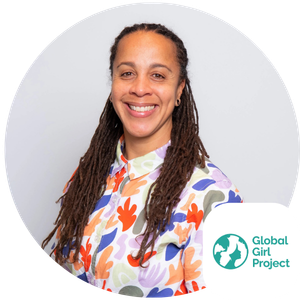
What actually works for small and medium sized charities
Grant funding has become harder to access, harder to predict and harder to resource. Oversubscribed funds, shifting priorities and heavier requirements mean many small and medium charities are trying to secure income alongside everything else, without the time, teams or specialist support larger organisations rely on.
This interactive panel focuses on the practical decisions that make the difference. Drawing on funder insight and real charity experience, it explores how small organisations achieve cut-through with grant makers, make smarter choices about where to focus limited effort, and build fundraising capacity without burning out their people. Live polling will surface the funding challenges in the room and shape the discussion in real time.
The discussion will centre on:
- Achieving cut-through with grant makers in crowded funding rounds
- Making strategic funding choices when capacity and time are limited
- Building sustainable fundraising capacity when fundraising isn’t a dedicated role
Content Streams Continue
14:00 - 15:10
14:00 - 14:35
Case study: The power of 300 partners with one shared goal
Leadership

How meaningful partnerships deliver change beyond your mission
What can more than a decade of collaborative work - and more than 300 different partners - teach charities about driving meaningful change?
Gary Laybourne, founder/chief executive of the employment and education charity Coach Core shares his experiences of leading an organisation whose work is rooted in bringing organisations together to change the workforce landscape, particularly for young people. This case study will explore the challenges, opportunities and unexpected results of charity and cross-sector partnerships: and outline why now is the time for charities to make collaboration a pillar of their work.
14:00 - 14:35
Fireside: What does it take to decolonise your fundraising?
Fundraising


Some of the UK’s best-known charities have long relied on fundraising techniques ranging from child sponsorship to telethon appeals. The models are undeniably successful, but debates over the unethical nature of poverty porn and white saviourism have brought increasing scrutiny in recent years.
Today, some of these organisations are spearheading radical approaches to fundraising, feeding into an ambition to decolonise their work across multiple levels
14:00 - 14:35
Case Study: Small charity, huge digital potential
Small to Medium Charities

Digital tools, social media platforms and new technologies can be transformative for small charities: enabling them to scale up their operations, enhance fundraising and support larger audiences.
But many lack the time and resources to upskill their teams or even put the fundamentals for digital growth in place.
This fireside chat will unpack how charities can lay strong digital foundations and choose their approaches to digital growth on a shoestring.
Key discussion points:
- Understanding the gaps (leadership, funding, skills/time) that prevent small charities laying strong digital foundations and how to overcome them
- How to strategically judge what area of digital growth to focus on first: data/AI in fundraising/operational work/social media/impact reporting?
- How to safely experiment with digital tools on a shoestring budget and with limited time.
- The ROI of putting your digital foundations in place and developing organisational confidence.
14:40 - 15:10
Panel: Shaping anti-racist organisations
Leadership




Why all leaders should be placing equity at the heart of their work
A challenging session that asks leaders to consider whether their organisations have maintained their commitment to anti racism at a time when it could be deprioritised. Practical advice for how to meaningfully place anti racism at the heart of your day to day work and your wider strategy. A call to action not to lose focus.
14:40 - 15:10
Case Study: From Mission to Market
Fundraising

Growing Commercial Income Without Losing Your Purpose
A session for organisations considering commercial routes to scale, and for leaders who want a more business-minded lens on sustainable income.
As funding models shift, earned income is becoming a deliberate part of growth strategy rather than a side activity. This case study offers a candid look at what it takes to generate commercial revenue inside a purpose-led organisation.
How do you decide which opportunities are worth pursuing? How do you test demand before committing significant resource? And how do you balance commercial discipline with charitable credibility?
14:40 - 15:10
Fireside chat: Charity models for meaningful change
Small to Medium Charities


What could the largest players in the sector learn from the radical work of small charities?
The vast majority of the charity sector is made up of small, grassroots organisations – but both narratives and models of working remain dominated by the largest household name organisations.
This panel will challenge the ‘corporate’ models of large charities by exploring the ways that grassroots organisations connect with their communities and deliver radical change.
It will ask what super-major charities could learn from the imaginative work of their smaller peers – and how the charity sector as a whole could evolve by being a bit more small and radical.
Plenary Sessions
15:35 - 16:40
15:35 - 16:00
Choosing self-determination in an uncertain world
Plenary

As the voluntary sector is buffeted by operational, political and economic headwinds, how could charity leaders be thinking differently about the road ahead? This keynote invites delegates to consider whether different approaches to their models, partnerships - and most importantly mindset - could re-energise their approach to doing good.
16:00 - 16:40
Panel: Who Will Fund the Future?
Plenary

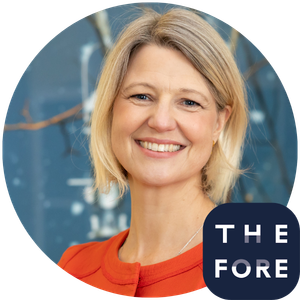

Traditional funding models are under strain. Individual giving is harder. Grants are tightening. Corporate appetite is more cautious. Regulation is increasing.
At the same time, new capital is emerging - impact investment, pooled funds, philanthropic collaboratives, venture-style funding, social enterprise hybrids.
This panel brings together leaders shaping the next era of capital in the sector. How are they thinking about risk? Scale? Accountability? Power?
Discussion will focus on:
- Whether unrestricted funding will grow or shrink
- The rise of collaborative and blended finance
- What makes organisations “investable” in 2026
- How power dynamics between funders and charities are shifting
A forward-looking conversation about who will fund the next decade and what that means for how charities are structured and led.
16:40 - 16:50
Closing remarks