Registration
08:30 - 09:10
09:10 - 09:15
Welcome Back to Day 2

Plenary Sessions
09:15 - 09:40
Holding steady: the Commission's role in uncertain times
Plenary

09:40 - 10:10
Leading for the long term: Scaling impact in an uncertain world
Plenary
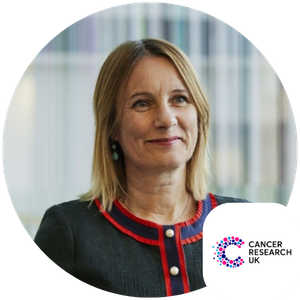
Michelle Mitchell OBE will reflect on what it means to lead a cause measured in decades while responding boldly to short‑term uncertainty. She will explore how mission-led stewardship, resilient income and organisational discipline must come together if charities are to endure and deliver impact at scale.
Content Streams Begin
10:15 - 11:30
10:15 - 11:05
Workshop: Trust, Power and Conflict
Governance

Managing the Board–CEO Relationship
When trust breaks down between trustees and executive leadership, the impact can be immediate and destabilising. In today’s high-pressure environment, strong governance relationships are essential.
This highly practical workshop will use real-world scenarios and structured group exercises to explore what causes board–CEO conflict, how to spot early warning signs, and what to do if tensions escalate. Together, we’ll map decision boundaries, identify common governance failure points, and work through a step-by-step framework for containing fallout and rebuilding trust.
10:15 - 11:05
Values-led fundraising: working in a less prescriptive world
Fundraising

The updated fundraising code of practice saw a significant shift away from set rules to a streamlined ‘principles-based’ approach to charities raising funds. It saw the size of the code halved, but how are fundraisers following the rules?
This keynote would revisit some of the biggest changes to the code and apply the updates against a set of practical scenarios, keeping in mind the ‘legal, open, honest, respectful’ principles that form their foundation.
Discussion points would include:
- What frameworks is your organisation putting in place to ensure your work is appropriate, proportionate and professional?
- What are the new protections afforded to fundraisers, and how can you ensure accountability?
- Meeting the transparency quota: Are your donors speaking to you, or an AI chatbot?
- How can applying the code set you up for future success?
10:15 - 11:05
Facilitated Roundtable: Regulated to the Limit
Finance


How CFOs manage rising compliance and regulatory pressure
This is a practical, peer-led conversation about judgement, risk and leadership in an increasingly regulated environment.
Charity CFOs are navigating growing compliance demands at the same time as capacity shrinks. Updated SORP requirements, increased Charity Commission scrutiny, higher audit expectations and expanding reporting obligations are layering onto already stretched teams.
This facilitated CFO roundtable will focus on how finance leaders are making real-world decisions. Where regulation genuinely protects organisations and where it creates disproportionate burden. How CFOs prioritise when full compliance across every front is no longer realistic. And how they frame risk, reserves and trade-offs clearly with boards and CEOs.
11:10 - 11:35
Keynote: From compliance to confidence – rethinking governance in an age of scrutiny
Governance


As expectations from regulators such as the Charity Commission for England and Wales continue to evolve, charity boards are navigating an increasingly complex landscape of accountability, transparency and risk.
This keynote brings a sector perspective on what effective governance looks like today. Through the lens of a large, national charity, we will explore how boards interpret regulatory pressure, where common challenges emerge, and how leadership teams are strengthening oversight without losing sight of mission.
Focusing on practical insight rather than theory, the session will highlight how organisations can embed a culture of good governance - enabling trustees to act decisively, responsibly and with confidence.
11:10 - 11:35
Fundraising through change: Bringing supporters with you on a new strategic journey
Fundraising

What happens when an organisation's mission remains the same, but the way it delivers impact begins to evolve?
As charities respond to increasingly complex social challenges, many are rethinking how they create change - moving beyond direct service delivery to embrace systems thinking, advocacy, influence and meaningful participation from the communities they serve. While these shifts may strengthen long-term impact, they can also raise difficult questions for fundraisers: How do you communicate a changing approach to supporters? How do you maintain donor confidence during a period of transition? And how do you fund work whose outcomes can be harder to explain and measure?
In this candid session, we will explore the fundraising implications of organisational change, sharing reflections from a charity currently navigating the move towards a more impact-focused model. Delegates will gain insight into the opportunities, challenges and unanswered questions that arise when strategy evolves, and what it takes to bring supporters, partners and funders along on the journey.
11:10 - 11:35
Peer discussion: Future-proofing financial risk
Finance

How should financial leaders approach a shifting risk landscape being driven by massive technological changes? This peer discussion brings finance leaders together to share how they are managing a range of challenges as AI and automation accelerate across charities.
– How to future-proof your organisation in responsive, agile ways
– How new technologies can impact financial risk
– The rapidly developing role of AI, and possible consequences
Content Streams Continue
12:05 - 13:15
12:05 - 12:50
Workshop: Rethinking the Charity Board
Governance

What Should Governance Look Like in 2026?
Traditional trustee boards were designed for a different era with slower media cycles, lower regulatory intensity, more stable funding environments and more hierarchical leadership models.
But with today’s charities are operating in permanent change are our governance structures keeping up?
This interactive workshop will examine what progressive, future-fit boards look like and challenge long-held assumptions about trustee diversity, unpaid models, power-sharing and representation.
Through case examples and structured discussion, we will explore:
- Whether unpaid trusteeship is limiting diversity and access
- How boards can move beyond “pale, male and stale”
- What meaningful service-user representation looks like in governance
- Whether traditional hierarchical board structures are outdated
- Emerging models such as co-leadership, distributed power and hybrid governance
12:05 - 12:50
Workshop: Be brave; don’t fear failure; lessons for responsive fundraising strategy.
Fundraising
Building the mindset that drives stronger income
Income pressure is not temporary. Acquisition is harder. Unrestricted funding is tighter. Corporate confidence is uneven. In this environment, incremental tweaks are not enough.
The fundraising teams seeing stronger results are those that have normalised disciplined experimentation. They test early. They adapt quickly. They stop what is not working.
This session explores how to embed that mindset inside a fundraising function.
You will leave with a clearer structure for testing ideas, sharper thinking around risk, and a more confident approach to change.
12:05 - 12:50
Facilitated discussion: When the CFO Knows - and the Organisation Doesn’t Listen
Finance

Influence, authority and managing upward
This facilitated discussion explores one of the most common and least openly addressed challenges for charity CFOs: knowing what the organisation needs but struggling to get traction at the top.
CFOs are often clear on risks around reserves, controls, skills or sustainability, yet find themselves facing pressure to approve growth, recruitment or innovation without full understanding of the financial implications. This session focuses on how finance leaders influence decisions without becoming the blocker.
The conversation will examine how CFOs frame financial reality, so boards actually hear it, how to distinguish strategic challenge from operational interference, and how to hold the line on risk while maintaining trust with CEOs and trustees.
13:00 - 13:20
Never let a crisis go to waste
Governance

Governing in an age of legal change
Trustees carry ultimate legal responsibility for their charities. Compliance is non-negotiable, yet today’s legal landscape is increasingly complex and often contentious, with trustees on the hook for everything from whistleblowing to cyber attacks to rows over legal duty
In these moments, boards are required to make difficult decisions that may carry significant reputational and regulatory consequences.
This keynote will offer practical advice on how to keep ahead of a crisis before it happens.
Key discussion points include:
- Approaches for determining the risk a threat poses to the charity: its staff, beneficiaries, volunteers, finances or reputation.
- Learning from previous crises to strengthen your resilience and response
- Communicating transparently with your executive team and wider charity as you navigate a crisis
- What qualifies a serious incident, and when should the regulator be involved?
13:00 - 13:20
Strategic restraint in social media: A framework for making better investment decisions
Fundraising

As social media expectations grow, many charities face pressure to expand activity across every platform - often without a clear link to outcomes.
This presentation looks at a structured methodology for determining the appropriate scale of social media investment. The approach helps organisations align channel strategy with audience need, organisational capacity, and mission priorities.
This session will equip leaders with a practical framework to evaluate requests, challenge default assumptions, and make defensible decisions about where - and where not - to invest time and resources.
13:00 - 13:20
Charity SORP 2026: Your quick-fire update
Finance
The 20-minute health check for CFOs
The updated charity SORP is now in force, bringing the most significant overhaul to sector financial reporting in a decade.
Designed for forward-thinking CFOs, this session delivers a quick-fire briefing on the mandatory shifts that will impact your balance sheet this financial year.
Gain the critical insights needed to reassess your reserves policies, unravel the new expectations around impact reporting, and ensure compliant, transparent reporting under the updated three-tier framework.
Closing Plenary Session
13:25 - 14:00
Keynote Panel: Rewriting the Rules
Plenary
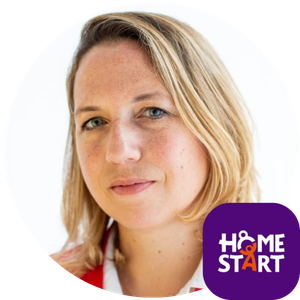

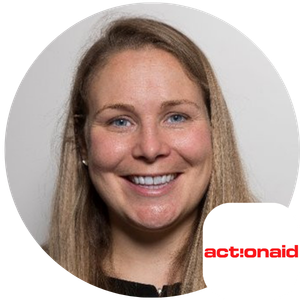
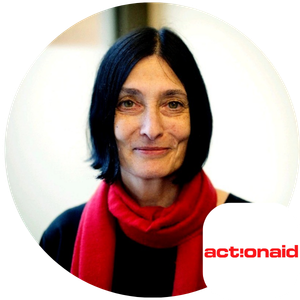
Ambitious Leadership Models for a Changing Sector
This closing panel asks a direct question: are our structures fit for what comes next?
From devolving power and rethinking traditional fundraising narratives, to experimenting with co-leadership and shared executive models, some organisations are actively redesigning how authority, accountability and decision-making work. These shifts change how strategy is set, how money flows and how risk is carried.
Panellists will explore what it really takes to move beyond hierarchical leadership, the advantages and tensions of co-chief models, and the practical implications of shifting power closer to the communities that charities exist to serve.
14:00 - 14:05
Closing remarks